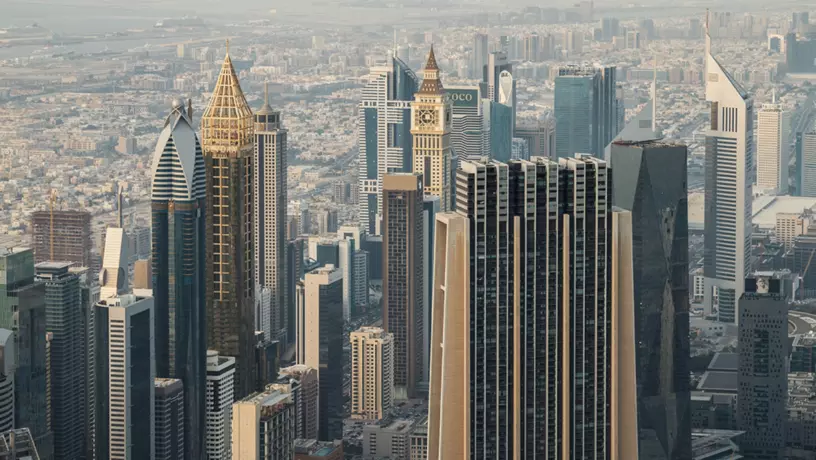
Sweltering temperatures in the UAE – with some areas reaching up to 49.9ºC on Friday — have triggered concerns about heat-related illnesses that could pose serious health risks.
Residents are urged to take precautionary measures in the persistent harsh summer weather as cases of heat stroke and heat exhaustion rise.
The doctors have cited at least two cases of heat stroke and heat exhaustion in the UAE.
A 42-year-old construction worker was brought to Burjeel Hospital in Abu Dhabi after he complained of severe muscle cramps, dehydration, altered sensorium, and low blood pressure. His condition was critical, his creatinine level exceeding 300, indicating acute kidney injury caused by muscle damage from severe dehydration.
Similarly, a 30-year-old fabricator was on an outdoor project when he complained of weakness and cramps. He also experienced stiffness in his hands and feet, along with headache and nausea. The Nepali expat was dehydrated after not being able to drink enough water due to the cramped work area. He was then taken to Thumbay University Hospital in Ajman for treatment.
According to doctors, both residents suffered from heat exhaustion, a condition that occurs when the body's cooling mechanism fails to maintain a normal core temperature, resulting in overheating. The residents were discharged after 48 hours of treatment.
Doctors said heat-related illness can range from heat cramps to heat exhaustion. In serious cases, it may even lead to heat stroke, which is potentially life-threatening.
“Heat exhaustion is when your body is overheating, is not able to cool itself, and has lost excessive water and salts (often due to excessive sweating). Heat stroke is when the body has lost the ability to control its temperature, as the temperature keeps rising,” said Dr Farhan M Asrar, Dubai-born Canadian Public Health and Family Physician working at Dalla Lana School of Public Health.
“Heat exhaustion results in symptoms such as weakness, dizziness, muscle cramps, headache, nausea, vomiting, rapid pulse, and excessive thirst,” said Dr Ahmed Mohammed Abdelrazek Deabes, specialist internal medicine, Burjeel Royal Hospital, Asharej, Al Ain.
“When heat exhaustion is left untreated, blood supply gets diverted from vital internal organs to skin leading to multi-organ failure. Immediate medical intervention becomes necessary to prevent severe organ damage or death, as the body can no longer manage its temperature on its own,” said Dr Kiran Kumar, specialist and head-department of internal medicine, Thumbay University Hospital.
People most vulnerable to heat-related illnesses include those with certain medical conditions such as diabetes, hyperglycaemia, hypertension, liver and kidney diseases, and heart disease.
“Other vulnerable groups include overweight individuals, infants, children, the elderly, and pregnant women. These populations are more susceptible due to their reduced ability to regulate body temperature and respond to heat stress,” said Dr Deabes.
According to Dr Kumar, for any person suspected to be suffering from heat illness, following actions should be initiated:
- Remove the victim from the work area and move them to a shaded or air-conditioned area.
- Place the patient supine with their feet elevated above the level of their head (i.e., raise their legs).
- Remove excess clothing and equipment.
- Cool the patient until their rectal temperature is approximately 101ºF (38.3ºC).
- Rehydrate the patient with chilled water or a sports drink if they are not nauseated, vomiting, or manifesting a depressed mental status; give IV fluid if the athlete is unable to drink.
- Continuously observe and frequently monitor heart rate, blood pressure, respiratory rate, rectal temperature, and mental status.
- Transport the patient to an emergency department if rapid improvement does not occur despite appropriate treatment.
Doctors have advised people to take certain precautions during extreme heat conditions. “Keep yourself hydrated, wear appropriate clothing, try not to be under direct sunlight (and apply sunscreen); eat and drink items that help keep you cool, and limit going out during the midday and hottest time of the day,” said Dr Asrar.
“Check on vulnerable individuals, such as the elderly, young children, and those with health conditions. Avoid heavy meals and hot foods, and never leave children or pets in parked vehicles,” said Dr Kumar.