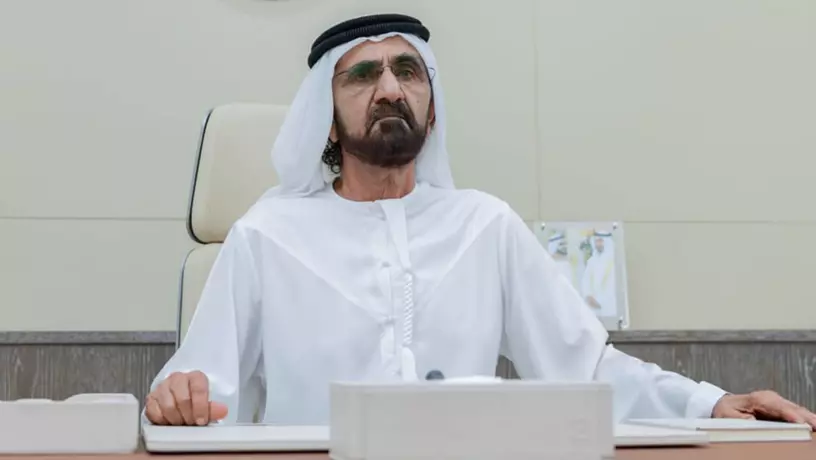
Sheikh Mohammed bin Rashid Al Maktoum, Vice President and Prime Minister of the UAE and Ruler of Dubai has set out seven rules for life in Dubai in a message addressed to the emirate’s citizens, residents, visitors and admirers.
Sheikh Mohammed shared a passage from his book Letters, describing Dubai as a “home for the world” and setting out principles ranging from responsibility and respect to optimism, doing good and loyalty.
The message begins by addressing the people of Dubai and those who live in, visit and love the city.
He said: “We have created a beautiful city, a harmonious community and a model experience for the world. Dubai is a home for the world, a home for humanity and a home for life.”
He described Dubai as a human experience capable of inspiring others and said lessons from his own experience had led him to set down seven rules for life in the city.
Sheikh Mohammed’s first rule places individual responsibility at the heart of life in Dubai. He says Dubai’s position as a city that attracts people from around the world brings responsibilities for everyone within the community.
That responsibility begins with the individual: an employee is responsible for their duties, a leader for their team, a father for their family and an individual for their city.
The principle extends to business owners and their integrity, teachers and their students, doctors and their patients, and government and its responsibility for people’s comfort, security, rights and happiness.
Everyone, he says, is responsible and everyone has a role.
The second rule concerns respect for other people. Sheikh Mohammed’s message calls for respect for people’s religion, values, culture, time, feelings and lives. It extends to respecting women, older people and workers, as well as people with whom an individual disagrees.
The underlying principle is that every person has status, dignity and rights.Sheikh Mohammed says a virtuous city is not measured only by its buildings and infrastructure, but by its respect for human dignity.
Sheikh Mohammed’s third rule is itqan, a concept encompassing excellence, mastery, precision and doing something well. He says excellence begins with beauty: the quality and cleanliness of the city, its facilities and gardens, the appearance of its buildings and the quality of its services and work.
Dubai’s message to the world, he says, can be seen in the performance of an airport employee, a road worker, an engineer working on a building and a company delivering its services. The message argues that excellence makes people respect and appreciate a society.
Sheikh Mohammed also warns that civilisation can be built through millions of small individual acts of excellence, and that small acts of disorder can similarly undermine achievements.
The fourth rule is humility. Sheikh Mohammed says humility towards other people elevates a person in their eyes, while humility in the face of achievement raises ambition.
Humility towards knowledge increases learning, and humility before the truth helps restore balance and justice. He contrasts humility with arrogance, which he describes as something that can erode civilisation. The message also applies the principle directly to Dubai.
Sheikh Mohammed says the city knows its true size and remembers how humble its beginnings were. Dubai started with very little, he says, and its people recognise that they still have much to learn and a long road ahead.
Dubai’s fifth rule is optimism. Sheikh Mohammed says the city does not stop working and does not give up hope. Every challenge contains an opportunity, he says, while every crisis provides a test of creativity and a chance to renew energy.
The message points to young people and their capabilities as a reason for optimism and says the experiences of others provide lessons from which to learn. Sheikh Mohammed argues that optimism provides the ability to see the future a person believes in and then work towards it.
The sixth rule concerns doing good and helping others. Sheikh Mohammed describes Dubai as a community that loves goodness, supports other people and responds to those who need help.
But the message makes clear that doing good is not restricted to large charitable donations.
A kind word can be an act of good. So can a smile, removing something harmful from a road, guiding someone who is lost, helping another person or encouraging a young person. The message presents doing good as a way of giving meaning to life and strengthening society.
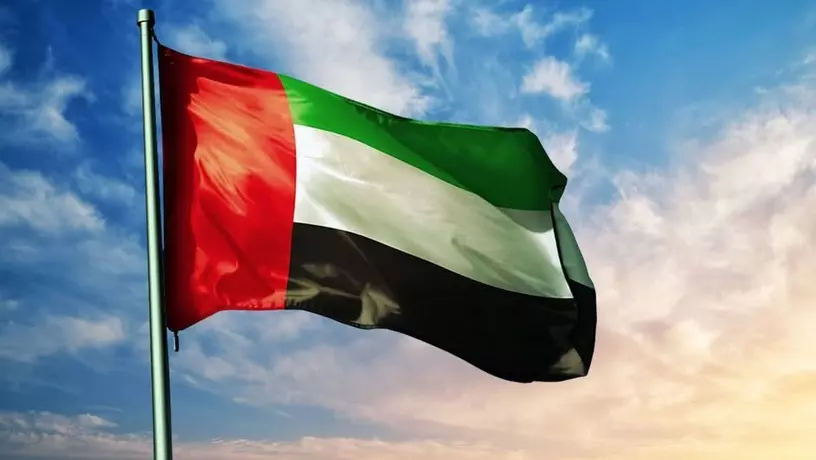
Sheikh Mohammed’s seventh rule is loyalty to the country that provides people with security and a decent life. The message says loyalty means respecting the country’s constitution and laws, protecting its achievements and respecting its flag.
It also means belonging to the values on which society is built, including sincerity, justice, honesty, integrity, respect, excellence and responsibility. Sheikh Mohammed describes the homeland as more than geography or symbols.
It is something that lives within people, he says, requiring them to safeguard its security, beauty, achievements, reputation and standing. Serving one’s country, the message concludes, is among life’s highest missions.