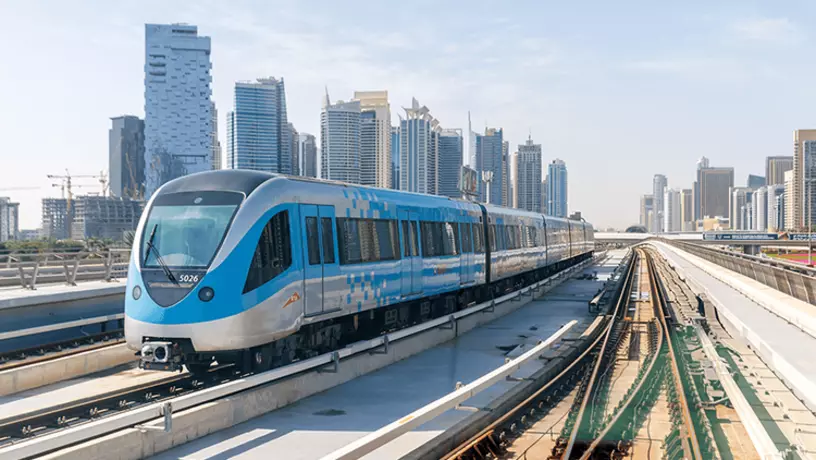
The Dubai Metro is only getting bigger. Already helping millions of residents and visitors get around the city via its Red and Green Lines, there are some major expansion plans in the pipeline over the next few years.
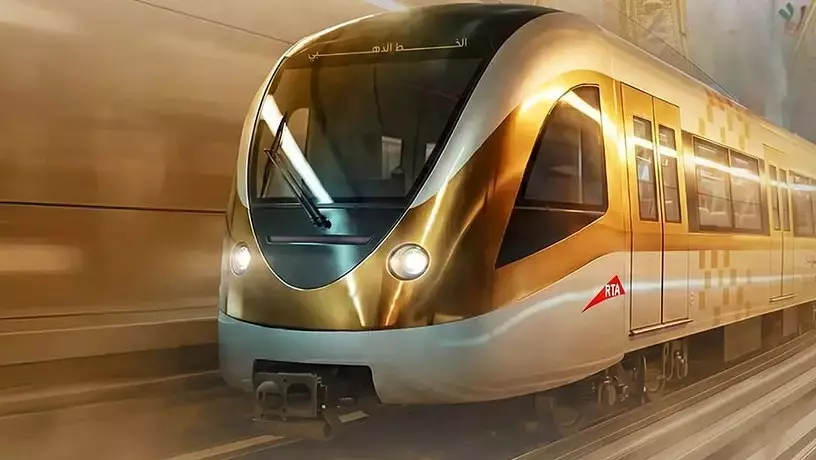
That includes two brand-new routes: the Blue Line, set to launch in 2029, and the Gold Line, which is expected to follow in 2032.
And with new lines come plenty of new stations, meaning a Dubai Metro stop could soon be arriving much closer to home.
Take a look at the 29 proposed new station locations below.
Academic City. The university town has a campus area of more than 129 million square feet and is predicted to accommodate more than 50,000 students by 2029.
The area includes several homegrown colleges and imported institutions such as Heriot-Watt University, Middlesex University and University of Wollongong in Dubai.
The first route of the Dubai Metro Blue Line will begin at the existing Creek Station at Al Jaddaf. The interchange station will allow people on the Blue Line a direct connection with the Green Line. A vibrant neighbourhood in the northern part of the city, this part of Dubai sits right on the waterfront, meaning it is packed with pretty views and things to do.
Another interchange station, Al Rashidiya will be where the second route begins. Currently called Centrepoint Station on the Red Line, the final station on the Red Line isn’t a new station exactly, but it will be adapted to connect with the Blue Line. It is one of three metro stations with a free car park and serves the Al Rashidya community in the north of the city.
Al Warqa will be found on the smaller second route of the Dubai Metro Blue Line. The residential area is home to around 60,000 residents and the Dubai Safari Park. It provides a much-needed extra transport link to a growing community.
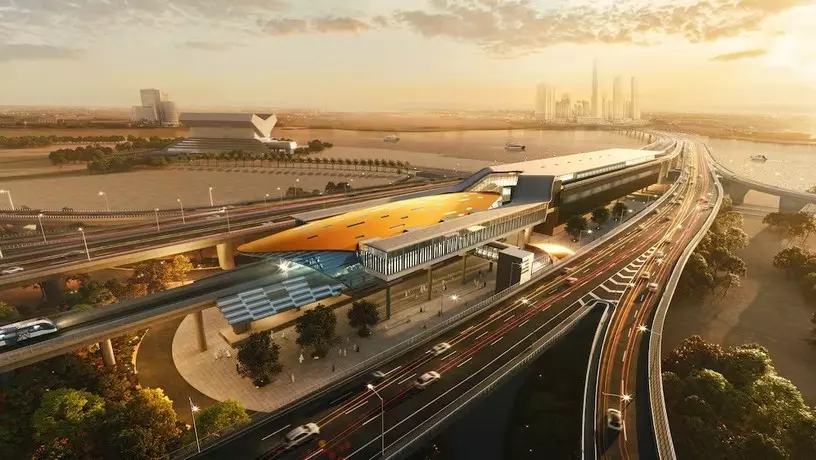
Dubai Creek Harbour will be home to the world’s tallest metro station once the Blue Line is up and running. The landmark “iconic” station will be named Emaar Properties Station for at least the first 10 years of operations. The 11,000 square metre space is designed to handle up to 160,000 passengers, with more than 70,000 expected to use it daily once it is operational.
A 1,300 metre-long viaduct will be constructed to allow the Metro to cross the Dubai Creek.
Dubai Festival City will sit along the larger 21km route of the Dubai Metro Blue Line. The area is home to one of the largest malls in the city and approximately 77,000 residents. The Metro service will provide a direct link for the area to key parts in the city, and means that there won’t be as much reliance on the abra boat service between the mall and Al Jaddaf Marine Station to get to the Creek Station.
The Blue Line will provide a direct link between the key areas situated along the route and Dubai International Airport. Current estimations state that journeys will connect to the world’s busiest international airport in just 20 minutes.
It’s unclear whether the Blue Line will use the existing Metro stations at Terminals 1 and 3 or whether a new station will be constructed to connect the Blue Line.
Dubai Silicon Oasis is earmarked for major development as part of the Dubai 2040 Urban Master Plan. The hub for innovation and knowledge supports the growth of the technology-driven economy and attracts skilled and creative talent to the city. On the Blue Line, a station will sit on the 21km route.
One of the areas to benefit the most from the Dubai Metro Blue Line will be International City. There will be three stations based in International City, including one underground interchange station, allowing for greater connectivity across the existing Metro lines. All three stations will be included on the bigger 21km route. The area is home to Dragon Mart and is visited by more than 200,000 residents and visitors.
The larger 21km route on the Blue Line will link with the Mirdif neighbourhood. Home to the popular Al Mushrif Park and the Mirdif City Centre mall, it’s a suburban community in need of direct transport links.
Ras Al Khor will also be served by the larger route on the Blue Line. Found between the Emaar Properties Station and the International City stops, Ras Al Khor will soon have greater connectivity with DXB and other major areas in Dubai.
The first stop on the Gold Line will link it with the existing Green Line at Al Ghubaiba. A key station on the line, it will allow commuters to easily make use of the nearby intercity bus services, visit City Centre Al Shindagha and the Dubai Creek.
According to the railway map, the second station on the line will be located on Al Mina Street. This will provide easy links for residents and visitors to Etihad Museum and Port Rashid Passengers Terminal.
One of Dubai’s historic areas, Satwa is set to be served by the Dubai Metro for the first time when the Gold Line is introduced. Previously, the closest stops were around a 20-minute walk away. The first Satwa stop looks like it will be close to the Satwa Bus Station, providing intercity links for commuters too.
A second station in Satwa looks like it will be slightly further along Al Satwa Road. Satwa is one of the most densely populated neighbourhoods in the city – full of tasty bargain bites, a booming multicultural community and colourful street art.
The route’s fifth stop appears to be at City Walk. The European-style open-air retail destination is home to some of Dubai’s best restaurants and bars, The Green Planet and one of the city’s main concert venues – Coca-Cola Arena.
The Gold Line will then meet the existing Red Line station at Business Bay. This will create an Interchange station in the heart of the city , connecting two of the biggest Dubai Metro lines. While at Business Bay, check out some of the best bars and restaurants in the city.
Not to be confused with the existing Burj Khalifa/Dubai Mall Metro Station, the Gold Line appears to add another stop at Downtown Dubai. This should help with congestion on the Red Line, providing an extra option for commuters and tourists to navigate the neighbourhood.
Luxury residential development District 1 is located within Mohammed Bin Rashid Al Maktoum City. The railway map shows that there will be two Dubai Metro stops passing through District 1. Additionally, the map shows that the High Speed Rail route, between Abu Dhabi and Dubai, will pass through (but not stop by) the neighbourhood.
District 1 appears to be home to a second stop on the Dubai Metro Gold Line, located slightly further south of the existing stop.
Nad Al Sheba is an up-and-coming area in Dubai, home to The Square, Nad Al Sheba Mall and Hewi Dubai. There is a lot of focus on developing the neighbourhood, so the addition of a new stop on the Gold Line will be a welcome one for the community.
Dubai Hills is another up-and-coming area of the emirate, with plans to house more than 100,000 people once the estate is fully completed. The area is already home to the lovely Dubai Hills Mall and an 18-hole golf course.
According to the 2032 railway network map, it looks like the Gold Line will finally provide a metro link to the enduringly popular Global Village. More than 10 million people pass through the gates of the park every year, so a metro service nearby would be most welcome.
The Etihad Rail passenger service is set to launch later in 2026, with the initial Dubai station located at Jumeirah Golf Estates. However, there are also plans to build a station in Meydan, which will also connect to the Gold Line on the Dubai Metro. It will be the first metro stop in Meydan and provide easier connectivity to the famous Meydan Racecourse.
This is a master-planned community in Dubai which will blend residential, commercial and retail with green spaces. The area will be designed to reflect Japanese garden styles and European landscapes, featuring more than 70 gardens. The population here is expected to grow significantly in the next few years.
According to the rail network map, another one of Dubai’s most popular attractions, Dubai Miracle Garden, looks set to be home to another stop on the Gold Line. The park features more than 150 million flowers in vibrant arrangements across 72,000 square metres.
A neighbourhood a little out of the city centre, JVC is a popular area for those looking for a more pocket-friendly property with lots to do nearby. With many new builds currently under construction, the place has everything you need from parks to pubs and all that lies in between.
Dubai Production City is a vast free zone and freehold area dedicated to media production companies in the emirate. Here, you’ll find diverse dining options and shopping at City Centre Me’aisem.
The final stop on the line interchanges with the existing Jumeirah Golf Estates station on the Red Line. This will also link to Dubai’s first Etihad Rail passenger station once it is open later this year. Strategically located along Sheikh Mohammed Bin Zayed Road, Jumeirah Golf Estates is a luxury gated community located towards the south of Dubai.