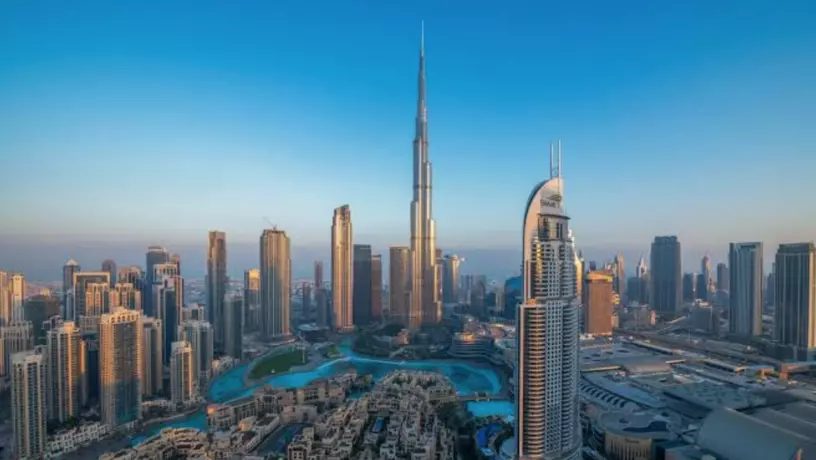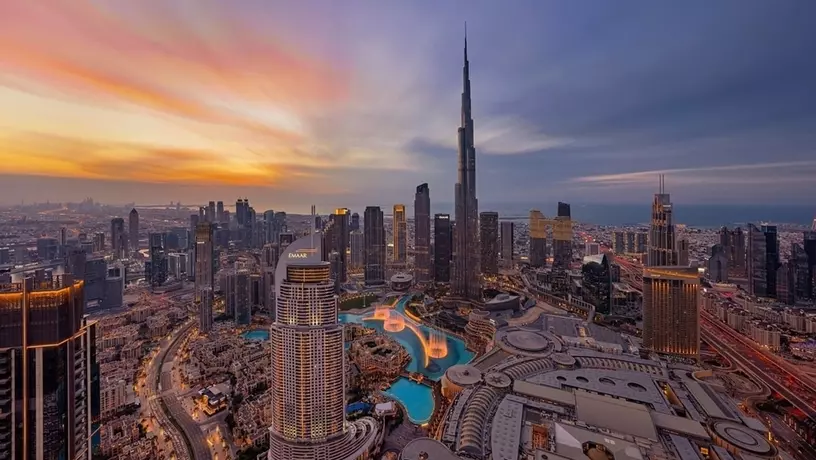
Dubai climbed three places to 20th out of 158 cities in Kearney’s 2026 Global Cities Index.
Dubai placed just behind Istanbul in 19th and ahead of Barcelona in 21st, Berlin in 23rd and Amsterdam in 24th. New York, London, Paris, Tokyo and Singapore retained the top five positions, in that order.
Kearney’s index uses 31 indicators across five categories: business activity, human capital, information exchange, cultural experience and political engagement. It measures how cities attract and retain people and capital and generate ideas.
Kearney said strengths in capital markets, talent infrastructure and cultural investment helped the top 30 cities consolidate their positions.
Progress across the Gulf was more gradual than in previous years, the report said. Kearney highlighted Abu Dhabi and Riyadh as cities that benefited from efforts to diversify their economies.
“Nearly all of the Gulf’s cities benefited from improved economics, and the region distinguished itself on innovation. Amid a more challenging operating environment, leaders proved the value of committing to a well-defined, multiyear investment strategy,” said Valentin Lavaill, Executive Director, Kearney Foresight MEA.
Dubai in top 20 cities in Kearney’s 2026 Global Cities Index:
- New York (2025 rank: 1)
- London (2025 rank: 2)
- Paris (2025 rank: 3)
- Tokyo (2025 rank: 4)
- Singapore (2025 rank: 5)
- Beijing (2025 rank: 6)
- Shanghai (2025 rank: 8)
- Hong Kong (2025 rank: 7)
- Los Angeles (2025 rank: 9)
- Madrid (2025 rank: 11)
- Chicago (2025 rank: 10)
- Toronto (2025 rank: 13)
- Brussels (2025 rank: 17)
- Seoul (2025 rank: 12)
- San Francisco (2025 rank: 14)
- Sydney (2025 rank: 20)
- Washington, D.C. (2025 rank: 15)
- Melbourne (2025 rank: 16)
- Istanbul (2025 rank: 18)
- Dubai (2025 rank: 23)
Singapore ranked first in Kearney’s separate Global Cities Outlook, followed by London, San Francisco, Seoul and New York. The outlook assesses cities’ future potential across personal wellbeing, economics, innovation and governance.
Kearney said total foreign direct investment rose more in the Middle East in 2025 than in any other region. Economic performance improved in 13 of the 16 Middle Eastern cities assessed, and the report highlighted gains in Dammam, Muscat and Abu Dhabi.
Kearney said Gulf cities could build on those gains by working together on AI infrastructure and governance and making it easier for businesses and workers to operate across the region.