Sheikh Hamdan bin Mohammed, Crown Prince of Dubai, has approved plans to revamp the city’s marine transport, expand services and add new vessels to carry millions of new passengers by 2030.
Sheikh Hamdan approved a scheme to expand the maritime network by 188 per cent to serve more than 22 million passengers annually by 2030. This marks a more than 50 per cent increase in passengers from the current 14 million.
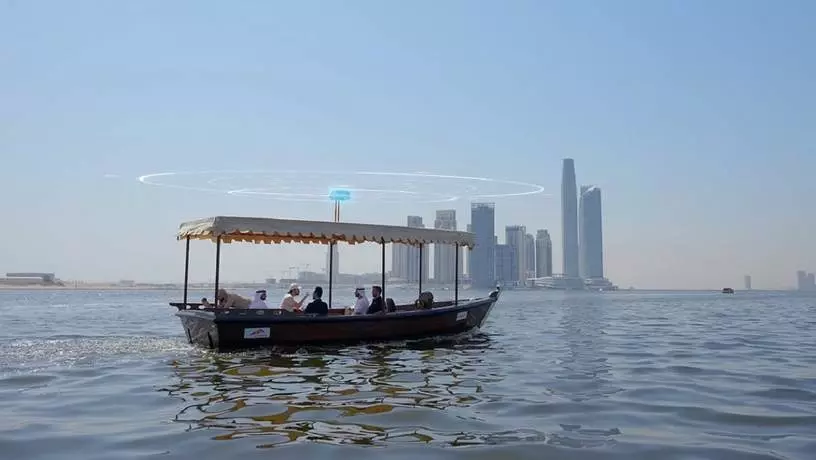
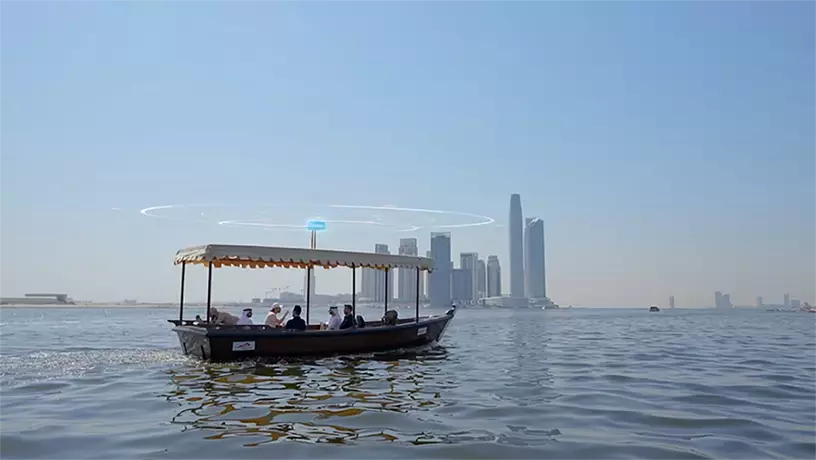
Dubai’s Roads and Transport Authority (RTA) will work with the private sector to manufacture the world’s first 3D-printed electric abra and separate trials are under way to release an unmanned self-navigating electric abra.
During a visit to the RTA headquarters, Sheikh Hamdan was taken through updates to the Dubai Marine Transport Master Plan 2030 by Mattar Al Tayer, RTA’s director general.
The plan includes extending the length of the network from 55km to 158km over the next seven years.
At least 31 more stations will be added to take the number of marine stations to 79 along the Dubai Creek and Water Canal projects.
The number of passenger lines will soar from seven to 35 and the marine transport fleet will jump to 258 vessels from 196.
An upgraded service will link stations from Dubai Marina, around the Palm, take passengers into the Dubai Canal, past the Business Bay, and Dubai Design District areas to the Jaddaf Creek Harbour.
It will also provide more services from the old Dubai area including Shindagha, Al Ghubaiba stations to Al Mamzar and Sharjah.
Sheikh Hamdan reviewed the RTA’s plans to build the electric abra using 3D printing technology that would carry 20 passengers.
The prototype is expected to be ready by February next year and promises to merge a sleek design with the aesthetic heritage of wooden abras.
The 3D-printing project will cut the manufacturing time by 90 per cent and involve a 30 per cent cost saving.