The first time I was ferried across from Jumeirah Fishing Harbour to The Heart of Europe island development by the Kleindienst Group was just before the pandemic was declared. And the sheer scale and opulence of the set of holiday islands named after various European countries left me wonderstruck.
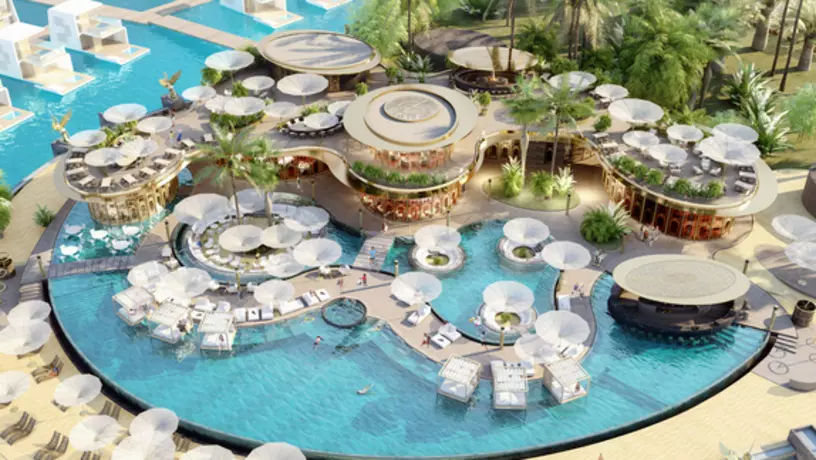
From the Floating Seahorse water villas and a glimpse of the largest infinity swimming pool in the region, to the bespoke villas in “Germany” and private palaces in “Sweden”, this ambitious project epitomises the promise of luxury living that Dubai is often associated with.
While the pandemic delayed the project by a few years, it is gearing up to launch Cote d’Azur Monaco, the first of its many hotels, later this year. In addition to the French Riviera vibe the adults-only hotel will channel, it also boasts the world’s first Raining Street.
As the name suggests, the kilometre-long street will be fitted out with equipment that ensures it rains on command, a feature that serves a dual purpose — the novelty factor, for one, as well as Austrian chairman Josef Kleindienst’s dream to create a climate-controlled microcosm in the heart of the desert.
Here, not only will raindrops keep falling on your head, but the street will also be maintained at a temperature of 27°C, with a wind speed of 5 kilometres per hour and a humidity level of 60 per cent — akin to balmy European summers.
The intensity of the rain will be adjustable with a downpour, a breeze or moderate rainfall depending on the weather, while in the peak of summer you can even expect heavy rainfall.
“The technology ensures that as soon as the temperature goes above 27°C on the island, cold water in the form of rain will fall from the top of the buildings through concealed pipes,” Kleindienst said.
The end game? To ensure guests enjoy perfect weather all year round — although how this installation keeps up with the project’s overarching sustainability goals is yet to be revealed.