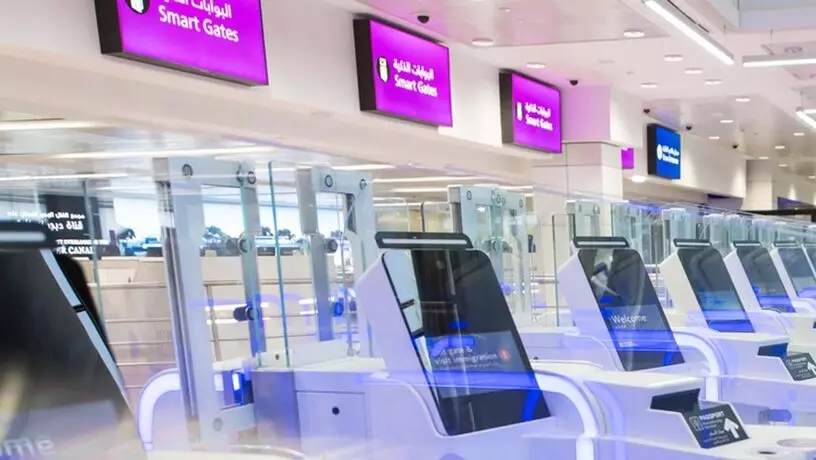
Passengers travelling through the UAE are increasingly experiencing passport-free journeys as airports expand the use of biometric technology and artificial intelligence to speed up check-in, security and boarding.
The latest advances will take centre stage at Airport Show 2026 in Dubai, where global aviation leaders will showcase next-generation biometric technologies designed to make air travel faster, more secure and more seamless as passenger numbers continue to grow.
The 25th edition of Airport Show will take place at Dubai World Trade Centre from October 12 to 14 under the patronage of Sheikh Ahmed bin Saeed Al Maktoum, President, Dubai Civil Aviation Authority (DCAA), Chairman of Dubai Airports, and Chairman and Chief Executive, Emirates Airline and Group.
More than 150 exhibitors from over 30 countries, 120 hosted buyers and more than 7,000 visitors from more than 30 countries are expected to attend the three-day event.
The Middle East is rapidly increasing investment in biometric airport technology as passenger numbers across the region are forecast to reach 240m by 2026.
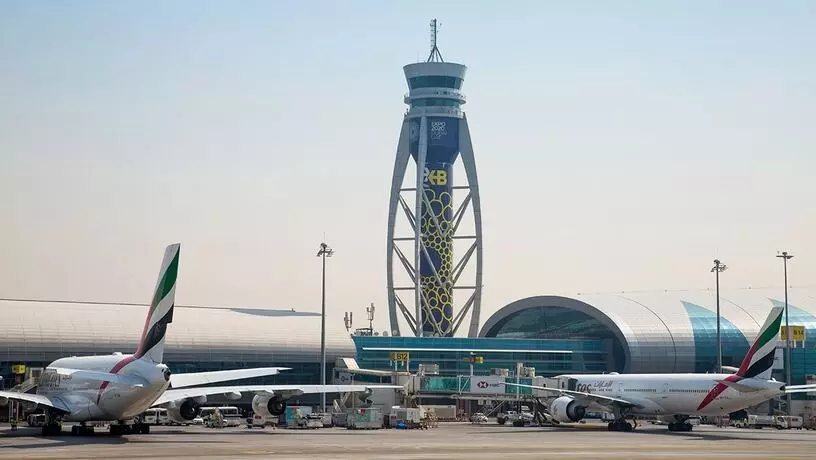
Dubai International Airport, the world’s busiest airport for international passengers since 2014, has introduced its AI-powered “Red Carpet” smart tunnel, capable of processing more than 10 travellers simultaneously.
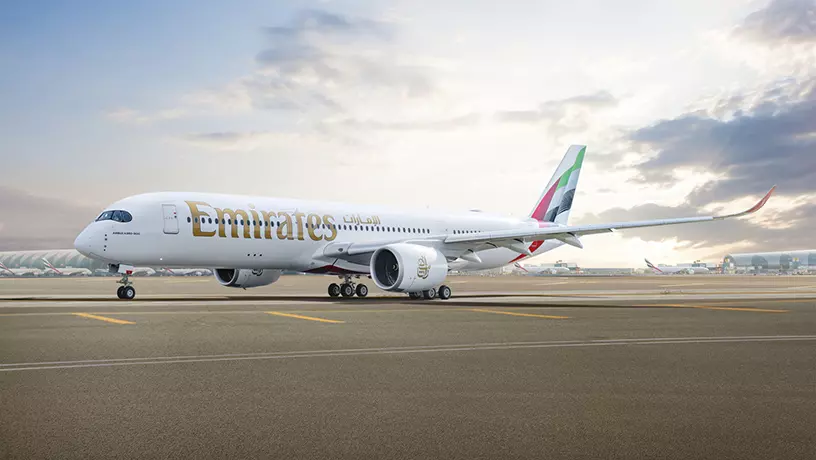
Emirates Airline was among the first airlines to deploy biometrics in 2017, installing more than 200 biometric boarding cameras at Dubai International Airport through an AED85m ($23.1m) investment in facial recognition technology.
The system enables registered travellers to complete check-in, passport control, lounge access and boarding simply by looking at a camera.
In addition, three UAE airports are linked to a smartphone application that allows eligible travellers to complete passport procedures before boarding after a one-time registration.
Abu Dhabi’s Zayed International Airport has also expanded facial recognition technology, implementing biometric solutions at five of the nine passenger touchpoints throughout the airport journey.
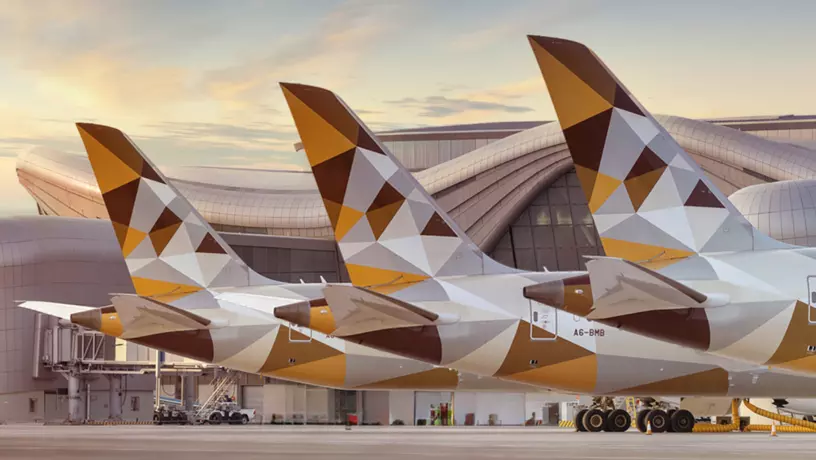
Etihad Airways is currently testing AI-powered facial identity verification for both boarding and lounge access, while flydubai has begun integrating biometric options into its check-in systems and self-service kiosks.
According to the International Air Transport Association (IATA), replacing manual identity verification with biometric confirmation can reduce passenger processing times by up to 40 per cent.
For airports handling millions of travellers, this can improve operational efficiency, increase passenger capacity and reduce queues while creating a smoother travel experience.
Majed Al Joker, Chief Operating Officer (COO) of Dubai Airports, said: “Dubai Airports is focused on delivering consistent, measurable improvements in how guests move through our terminals. Through continued investment in biometric and digital solutions, we are strengthening the efficiency of our operations while handling sustained growth.
“We remain committed to driving efficiency across every touchpoint through technology, collaboration, and operational discipline.”
Airport Show connects airport operators, airlines and technology companies to demonstrate innovations shaping airports across the Middle East, Africa and South Asia.
This year’s exhibition will include the Global Airport Leaders’ Forum (GALF), Airport Security Middle East, Air Traffic Control (ATC) Forum and the Women in Aviation (WIA) Middle East Conference.
The event also features its Hosted Buyers Programme, bringing together airport decision-makers looking to invest in new technologies and airport infrastructure.
The UAE’s aviation sector continues to invest in future airport capacity.
Work is progressing on the first phase of Al Maktoum International Airport, with runway infrastructure and the initial structural foundations for passenger terminals and gates advancing ahead of the planned start of operations in 2032.
The future airport is expected to feature a highly interconnected ecosystem centred around the traveller, with AI-powered analytics helping personalise services and improve passenger flow throughout the terminal.
May Ismail, Event Manager at RX Middle East, organisers of the Airport Show, remarked, “Biometric technology is undoubtedly transforming airport operations, offering heightened security and passenger convenience. For airport operators, biometrics are a strategic answer to effectively and satisfactorily handle ever-rising passenger volumes. Biometric technology is transforming the entire airport operations and offering heightened security and passenger convenience.
“The Middle East countries, including the Arabian Gulf hubs, are competing to attract more connecting traffic and working to ensure faster passenger facilitation. Airports are seeing new travel innovations like biometrics as an opportunity to grow and expand rather than an obstacle and hindrance. Airports are rapidly and enthusiastically adopting biometrics to create a seamless, secure, and touchless passenger experience.”
According to the Airport Show organisers, the biometric technology market is expected to reach $150.58bn by 2030, while the airport biometrics services market is projected to reach $276.56bn by 2032.
Separately, SITA said more than 43 per cent of airports worldwide already use biometric-enabled boarding systems, while more than half expect to introduce integrated identity management solutions within the next three years.
By 2027, three-quarters of airports are expected to use biometric technologies across several stages of the passenger journey, including check-in, baggage drop, boarding and border control.