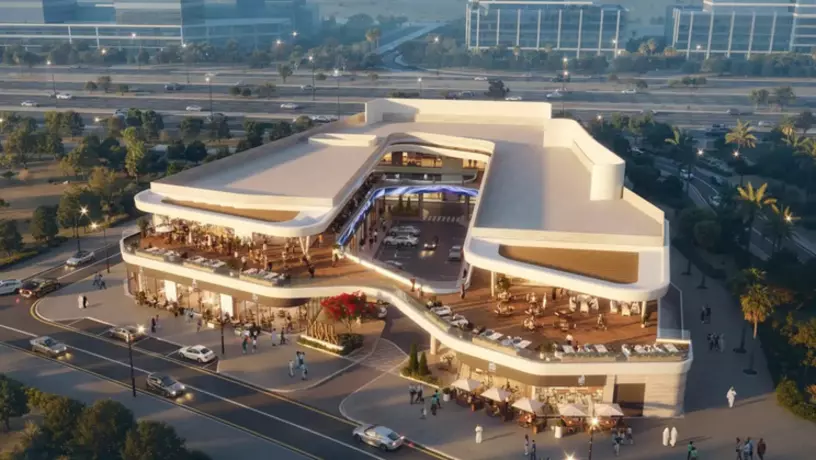
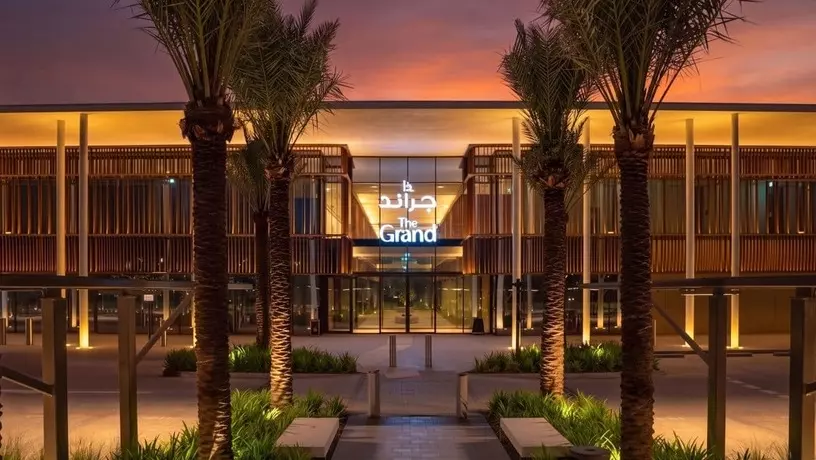
Dubai Square Mall, a 2.6 million square metre retail destination at Dubai Creek Harbour is set to become the largest retail destination in the world, doubling the size of Dubai Mall.
With the development expected to open in approximately three years, according to the developer, the master plan covers around 11 million square metres and is valued at AED180 billion.
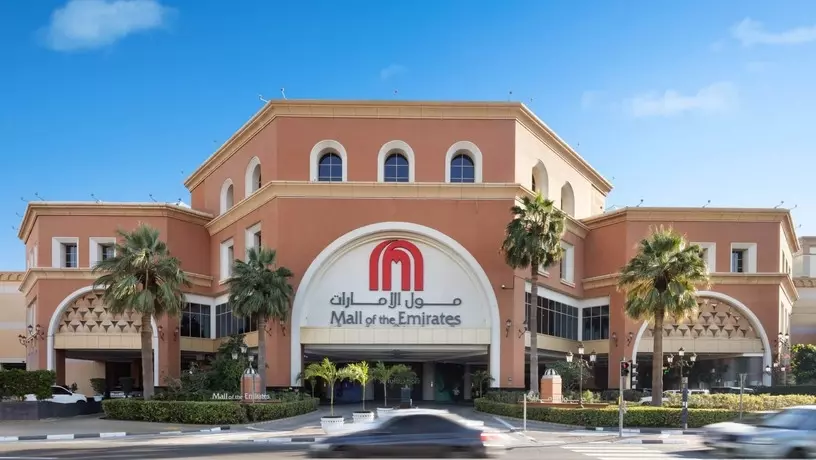
With the city already home to thriving retail districts including Dubai Mall and Mall of the Emirates, the new development would mean a “rebalancing of gravity,” Yogesh Bulchandani, CEO and founder of Sunrise Capital told.
“Tourism, retail and investment flows that have historically clustered around Sheikh Zayed Road and Downtown will increasingly extend toward Creek Harbour, deepening – rather than diluting – Dubai’s overall real estate story,” he said.
Dubai Mall currently remains the world’s most visited shopping district with over 100 million visitors in 2025. Malls are a major component of Dubai’s tourism strategy with tourists heavily engaging retail outlets during visits.
However, Balchandani argued that the mall will not be “competing for the same single day visitor” but instead, “extending the stay.”
“Tourists can now plan multi-day retail and entertainment itineraries that move from Downtown to Sheikh Zayed Road to Creek Harbour, increasing total spend in the emirate rather than fragmenting it. That multi-nodal experience is exactly what underpins Dubai’s ambition to be among the world’s top three cities for tourism, business and quality of life,” he explained.
The mall will feature breakthrough technologies and innovative concepts in retail, dining and entertainment. It will also be connected to Dubai Creek Tower, another mega skyscraper being built by Emaar.
Dubai Square Mall is not “simply a retail addition,” Xu Ma Founder and Chairman, Tomorrow World Properties said.
“At this scale, it can reshape visitor flows, strengthen Dubai Creek Harbour as a full destination, and create a new centre of gravity for shopping, dining, entertainment, and tourism beyond the traditional hubs,” he said.
The development is expected to feature the world’s first drive-through concept allowing vehicle access to select retail areas and integration with electric vehicle infrastructure.
“With next-generation mobility, entertainment and hospitality embedded into the concept, Dubai Square reinforces Dubai’s positioning as a 24/7 tourism, retail and investment hub for the region,” Bulchandani said.
Economists and urban planners point to the role of mall economies in supporting tourism and broader city economics. Recent data from the Department of Economy and Tourism (DET) showed a large majority of international visitors stopped at Dubai Mall pointing towards a strong link between retail destinations and visitor spending.
“In the first five years, the immediate contribution is economic activity, jobs, and a wider tourism pull if the offering is truly distinctive. Large destination assets also generate secondary impact through supply chains, hospitality demand, events, and business inflows tied to increased visitation,” Ma explained.
He asserted that the contribution extends beyond economic to “confidence and momentum.”
“When a mega anchor is delivered inside a master community, it typically accelerates residential interest, supports higher quality mixed-use development, and attracts global operators who may not enter a market unless the platform is big enough,” he added.
The integration with transport infrastructure and broader urban context also plays a key role. However, at such a large scale, questions of risk arise but Ma explained that, “Scale becomes a risk when the customer journey is not effortless. If access, circulation, parking, wayfinding, and the comfort of moving through the space are not world-class, size can feel overwhelming rather than exciting.”
Bulchandani believes that “Scale becomes a risk when it runs ahead of genuine demand and clear differentiation,” potentially leading to “cannibalisation between assets, weaker trading densities and downward pressure on rentals.”
“In other words, big for the sake of big is not a strategy,” he added.
Experts recommend several safeguards including clear positioning, strong transport connectivity and a curated mix of retail, F&B and entertainment.
“When a project is embedded in an integrated master plan, with residential, office, hospitality and public realm all feeding into it, scale becomes an ecosystem advantage rather than a standalone risk,” Bulchandani explained.
With leasing strategy also posing as a “second risk” Ma clarified, “When scale focuses on volume of stores rather than curating unique experiences, retail becomes repetitive and vulnerable to online substitution. The advantage of scale only holds when it delivers variety, discovery, and reasons to return regularly, not only during peak tourism.”
Current market activity suggests retailers and property owners are accepting the need for investment across Dubai’s established malls. Majid Al Futtaim is investing AED5 billion on expansion and upgrades to maintain its position in the city’s retail network.
“The fact that Mall of the Emirates is making a major investment to transform and expand indicates the market expects growth and reinvention, not a zero-sum outcome,” he said.
Economic effects beyond retail are being anticipated. In its first five years of operation Bulchandani said Dubai Square is expected to act as a “demand engine” for residential, hospitality and office assets in Creek Harbour as the district matures.
“We would expect higher occupancy, stronger retail sales and premium pricing across surrounding residential, hospitality and office assets as the project matures and stabilises,” he said.
Both developers believe that redistribution of value in Dubai’s multi-centric urban model is likely to reinforce, not undermine, existing hubs.
Dubai has proved successful in absorbing several mega projects “when they are part of coherent, integrated master plans.”