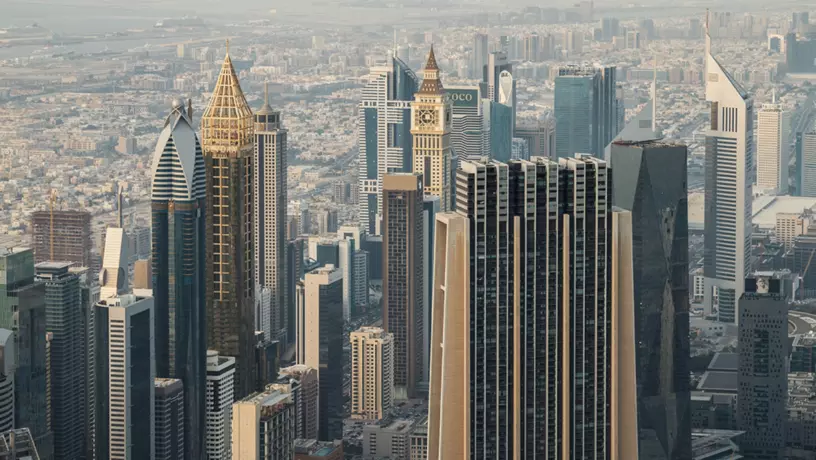
Dubai authorities have begun implementing a large-scale programme to modernise the emirate’s transport system, which includes the introduction of autonomous taxis, self-driving pods, trackless trams, the underground Loop project and air taxis.
Dubai Crown Prince His Highness Sheikh Hamdan bin Mohammed Al Maktoum has launched the operation of the first RT6 autonomous taxis, developed in partnership with Baidu Apollo Go. Driverless vehicles are already operating in selected areas of the city.
A large-scale commercial rollout covering 65 locations is scheduled for the end of the first quarter. At the initial stage, the fleet will consist of 100 vehicles, with plans to expand to 1,000. By 2030, authorities aim for autonomous trips to account for 25% of all journeys.
In parallel, Dubai plans to introduce autonomous electric Glydways pods to connect metro stations with key districts, including Bluewaters, Umm Suqeim, Al Quoz and Dubai Festival City. The system is expected to carry up to 10,000 passengers per hour in each direction.
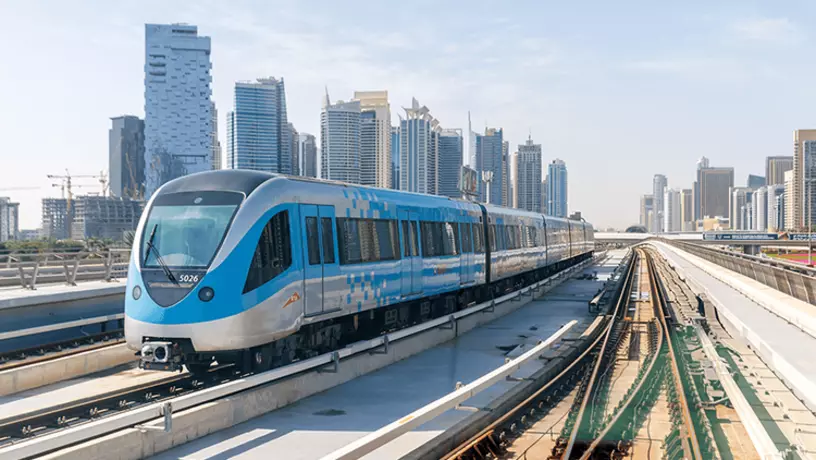
The transport network will also integrate trackless trams with a capacity of up to 300 passengers and speeds of up to 70 km/h. These trams will operate along virtual routes using GPS, LiDAR and optical cameras, and will be connected to the metro and other modes of public transport.
Special attention is being paid to the development of pedestrian and cycling infrastructure. More than 55% of residents are expected to live within an 800-metre radius of a public transport station. “Superblocks” prioritising pedestrians are being created in several areas. In addition, a 2-kilometre covered pedestrian bridge is planned near the Museum of the Future.
The air taxi project, implemented in partnership with Joby Aviation, is approximately 80% complete. Electric vertical take-off and landing aircraft will be able to carry a pilot and up to four passengers at speeds of up to 320 km/h. The first routes will connect Dubai International Airport with Dubai Marina, Palm Jumeirah and Downtown Dubai. Travel time from the airport to Palm Jumeirah is expected to be reduced from 45 minutes to just 10 minutes. Commercial operations are scheduled to begin by the end of the year.
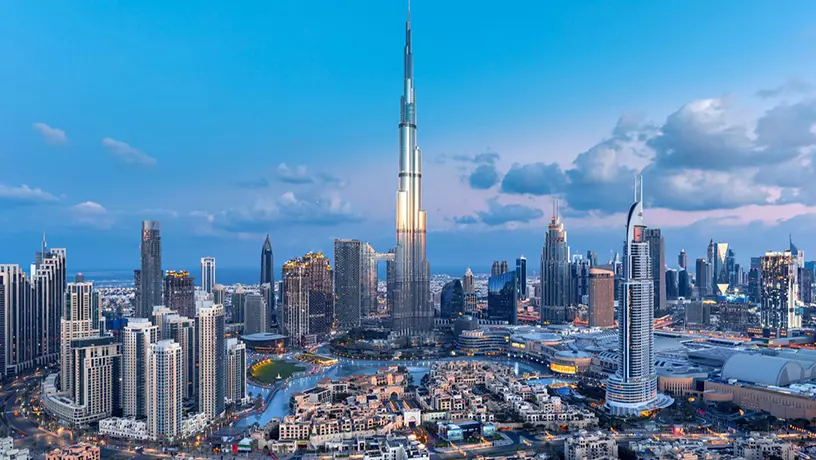
Another key element is the underground Dubai Loop project, being developed with the participation of The Boring Company. The first phase includes a 6.4-kilometre section with four stations linking the Dubai International Financial Centre, Dubai Mall and Burj Khalifa. Travel time is expected to drop from 20 minutes to three minutes, with a future capacity of up to 30,000 passengers per day.